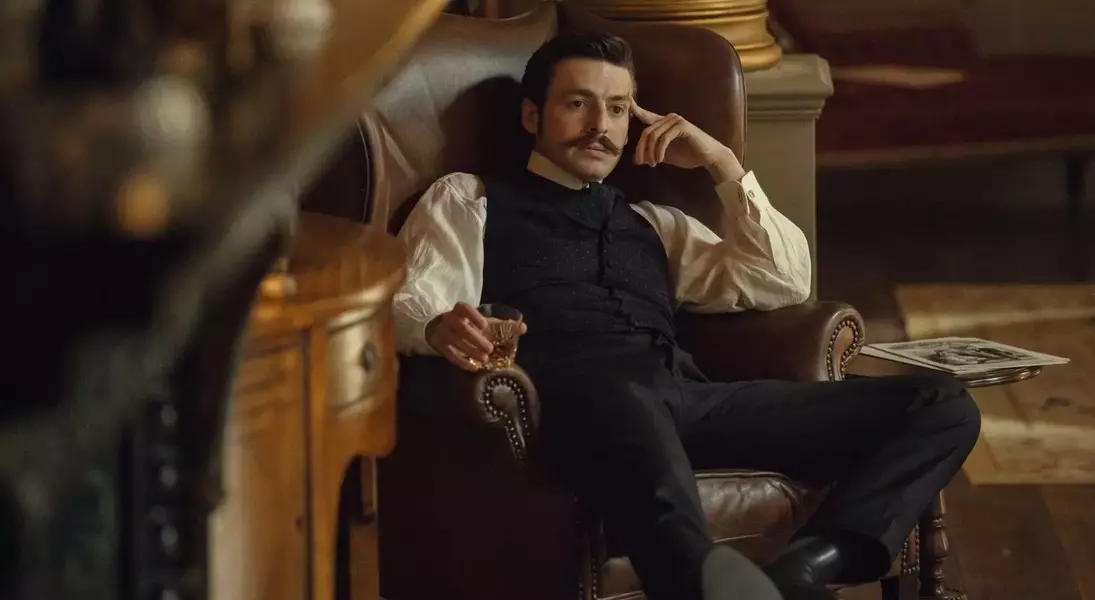
Netflix's latest period drama, 'House of Guinness,' offers a captivating glimpse into the opulent yet often tumultuous lives of the Guinness brewing dynasty's heirs during the 19th century. This series, crafted by Steven Knight, the visionary behind 'Peaky Blinders,' merges historical fact with dramatic interpretation, drawing parallels to popular shows like 'Succession' and 'Downton Abbey.' This exploration delves into the authentic narratives of the key family members, revealing the true individuals who shaped the Guinness legacy.
The Real Lives Behind the 'House of Guinness' Drama
The esteemed Guinness family, renowned for their brewing empire, left an indelible mark on Irish history. On September 25th, Netflix premiered 'House of Guinness,' a new period drama that delves into the lives of the four principal heirs to this formidable fortune. This narrative, while enriched with dramatic flair, is firmly anchored in the genuine experiences of Sir Benjamin Lee Guinness and his children: Arthur, Benjamin, Edward, and Anne. Let's uncover the true stories of these influential figures.
Sir Benjamin Lee Guinness, grandson of the original founder, Arthur Guinness, took the helm of the company in the mid-19th century. Under his astute leadership, the family business experienced a threefold increase in sales. Beyond his entrepreneurial prowess, he ventured into politics, serving as Dublin's mayor in 1851 and later as an MP in the House of Commons. His most enduring legacy, besides the brewing giant itself, is arguably his personal funding of the magnificent restoration of St. Patrick's Cathedral in Dublin, a landmark that continues to draw visitors globally. Upon his passing, control of the company was bequeathed to his sons, Arthur and Edward.
Arthur Guinness, the eldest son and namesake of the brewery's founder, received a privileged education at Eton and Trinity College Dublin. Portrayed in the series with a refined accent and a penchant for the finer things, the real Arthur invested heavily in land across Galway, including the vast Ashford Estate, now a luxurious hotel. He also found his way into literary history as a muse for James Joyce's 'Ulysses,' where his Victorian sensibilities were referenced. In 1876, he became a Member of Parliament for Dublin.
Benjamin Guinness, the second son, remains a more elusive figure in historical records. While his siblings carved out significant legacies, Benjamin's most notable achievement was serving as a captain in England's Horse Guards. The Netflix series depicts him as the family's troubled black sheep, a portrayal that, despite creative liberties, reflects his father's decision not to consider him a successor in the family business.
Edward Guinness, the third son, emerged as a transformative figure for the company. Acquiring his brother Arthur's shares in the 1870s, Edward propelled Guinness to unprecedented heights, taking it public on the London Stock Exchange in 1886. He remained chairman until his death in 1927, a moment so significant that it made the front page of the New York Times, recognizing him as one of the wealthiest men in the British Isles. Historian Anthony Mansfield described Edward as a man who, beneath a seemingly cavalier exterior, was intelligent, modern, and deeply ambitious, eager to maximize his wealth and privilege.
Anne Plunket Guinness, the eldest child and sole daughter of Sir Benjamin Lee Guinness, is remembered primarily for her philanthropic endeavors. She played a crucial role in the restoration of St. Patrick's Cathedral in Dublin, a project championed by her father. Sadly, she passed away at the age of 50 due to a debilitating neurodegenerative condition.
The meticulous portrayal of these historical figures in 'House of Guinness' offers viewers a compelling entry point into a fascinating era. It prompts us to consider the intricate balance between historical accuracy and dramatic storytelling, inviting us to delve deeper into the lives of those who shaped not only a global brand but also the cultural and political landscape of their time. The series encourages a deeper appreciation for the real individuals whose aspirations, struggles, and achievements continue to resonate today.